
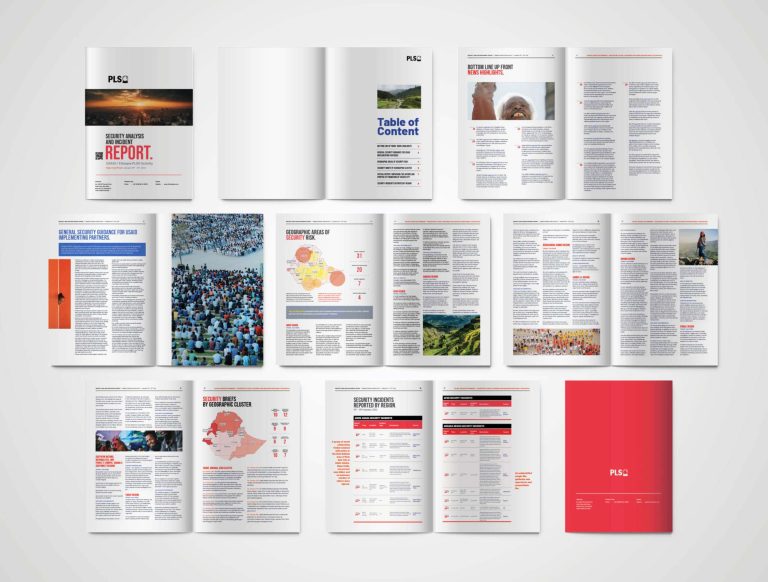
From Data to Dialogue: Systematising Design for Humanitarian Impact
CLIENT: Save the Children
PROJECT TIME: October 2021 – Present
The Challenge
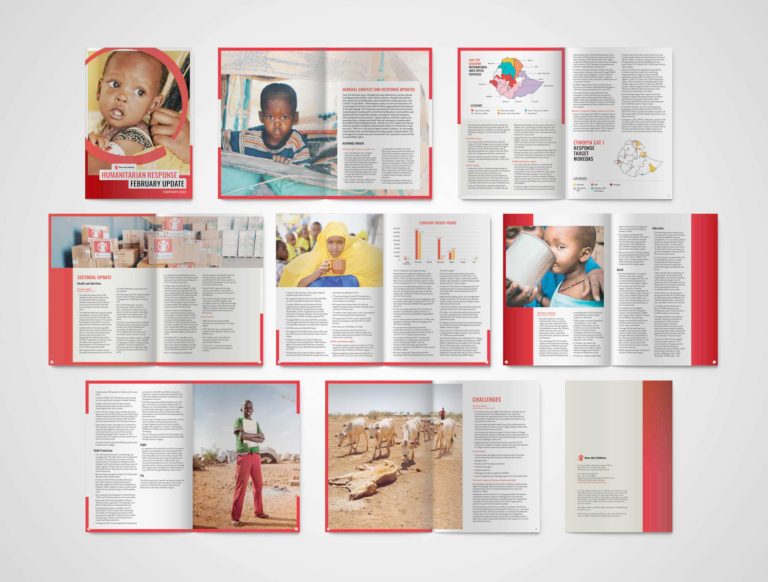
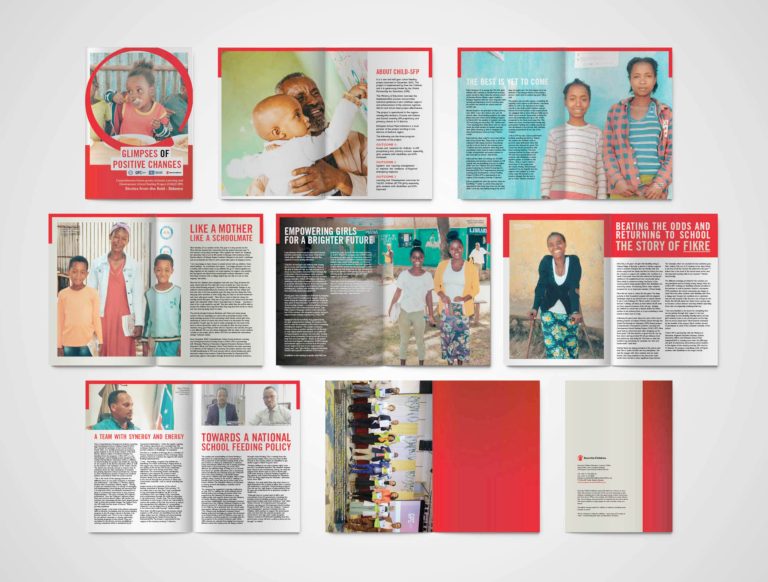
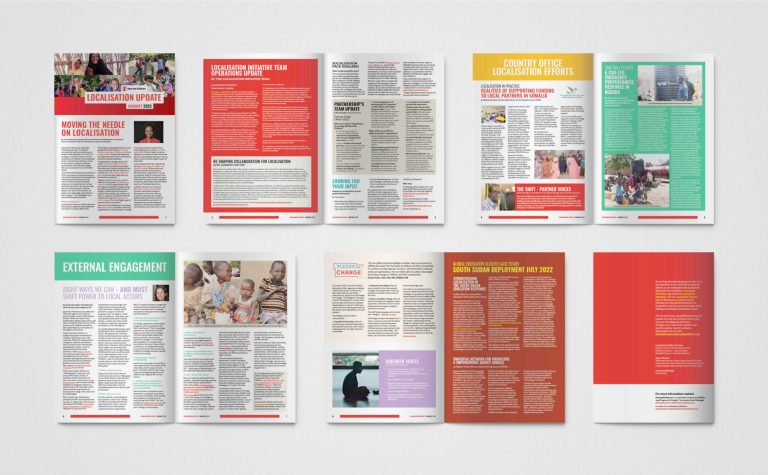
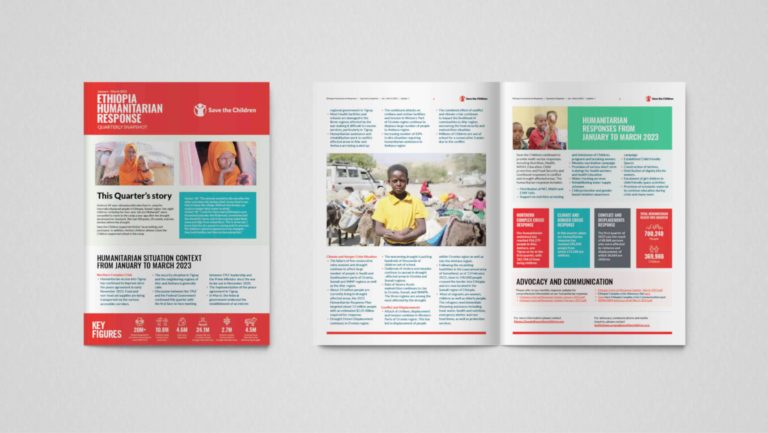
In the international development sector, the most critical information—field data, situational analyses, and impact reports—is often locked away in dense, text-heavy documents. At Save the Children, a constant stream of this vital intelligence needed to reach donors, partners, and internal stakeholders. The challenge was twofold: how to manage this high volume of requests efficiently, and more importantly, how to transform these documents from static reports into dynamic tools for engagement and decision-making.
A Strategy for Clarity and Efficiency
My role was to architect a visual bridge between complex data and its intended audience. This was more than a design task; it was an exercise in strategic communication and workflow innovation.
In partnership with the Deputy Country Director, I initiated a strategic triage process, focusing our design resources on the highest-impact documents first. To conquer the challenge of volume and speed, I developed a streamlined production system built on two pillars:
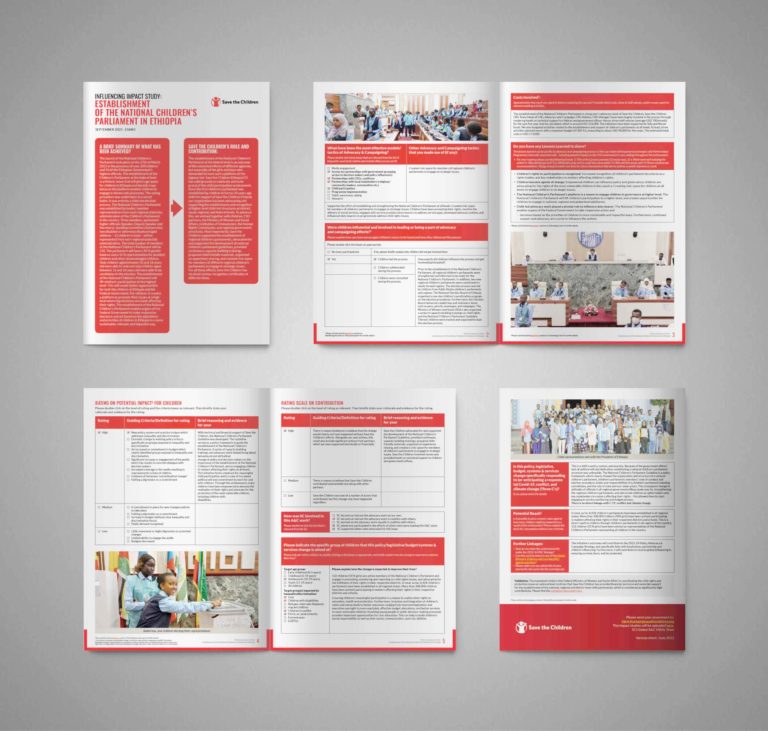
Modular InDesign Templates: I created a library of robust, on-brand templates that allowed for rapid yet customized layout creation. This ensured visual consistency across all publications while being flexible enough to handle diverse content.
Intelligent Style Mapping: A key technical innovation was meticulously mapping Microsoft Word styles directly to their Adobe InDesign counterparts. This seemingly small step was a game-changer, automating much of the initial formatting and slashing production time, allowing me to focus on high-value design decisions like data visualization and photographic storytelling.
The Impact: Driving Engagement, Page by Page
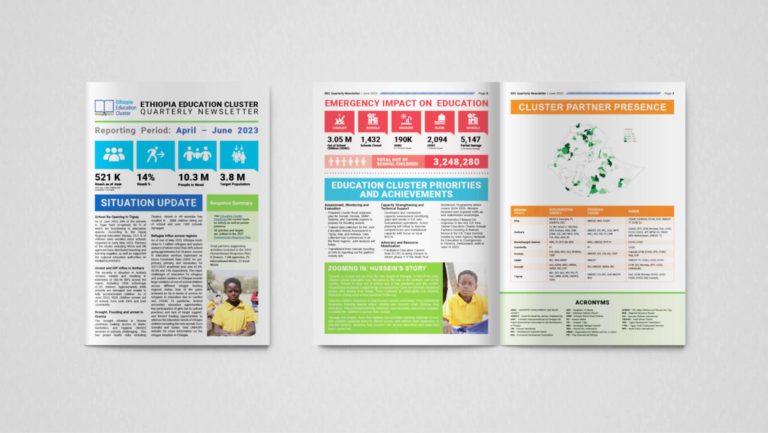
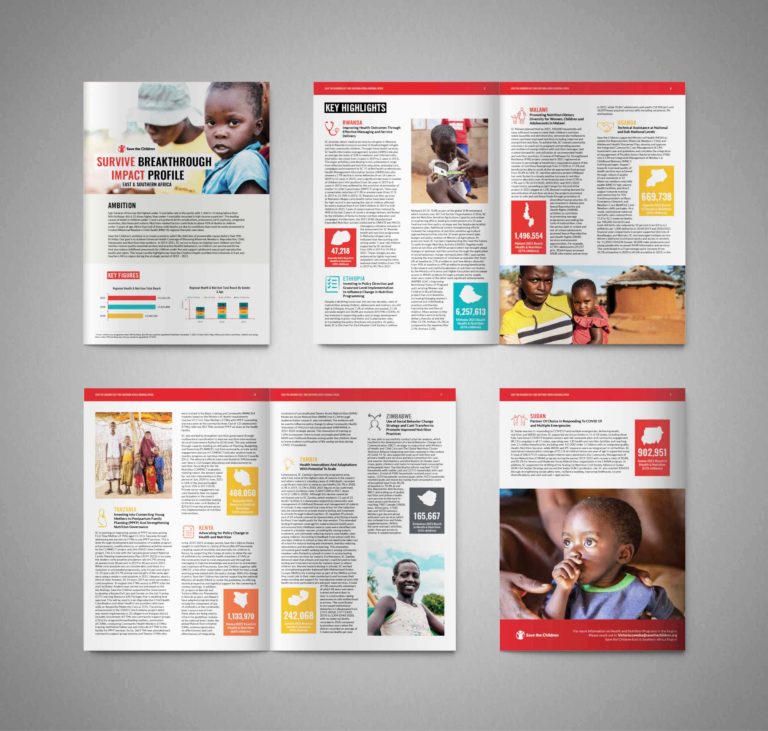
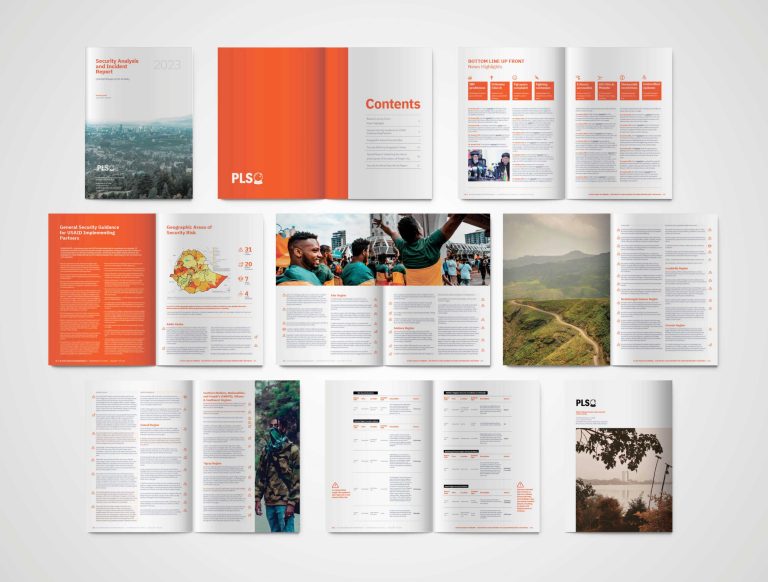
This systematic approach transformed the organization’s publications. They became highly sought-after assets that enhanced the clarity and professionalism of Save the Children’s communications.
The most telling measure of success occurred during a high-level partner meeting. I observed attendees actively engaging with a lengthy, data-rich report I had designed. They weren’t just skimming; they were citing specific page numbers and referencing key infographics in their discussions. In that moment, it was clear: strategic design had successfully converted a dense document into an accessible, actionable resource that sparked dialogue.
By building an efficient and intelligent design workflow, I enabled the organization to communicate its work more effectively, strengthening stakeholder relationships and ensuring that vital humanitarian stories were not just told, but truly seen and understood.
No Comments